Table of Contents
- Key Takeaways
- Quick Verdict
- Product Overview & Specifications
- Real-World Performance & Feature Analysis
- Content Quality & Historical Accuracy
- Reading Experience & Digital Format
- Educational Value & Age Appropriateness
- Practical Usage Scenarios
- Pros & Cons
- Comparison & Alternatives
- Cheaper Alternative: Amazon Kindle Unlimited Selections
- Premium Alternative: Physical Hardcover Editions from Specialist Publishers
- Buying Guide / Who Should Buy
- Best For Beginners
- Best For Educators & Seasoned buyers
- Not Recommended For
- FAQ
As a parent and former elementary educator, I’ve watched the children’s book market explode with digital options—but finding authentic African historical fiction that actually engages young readers feels like searching for treasure. Most offerings either talk down to children or present history through a diluted, Western-centric lens. When you search for “childrens african historical fiction” or “african history books for kids,” you’re likely trying to solve two problems: finding culturally meaningful content that expands your child’s worldview, and accessing it conveniently in our increasingly digital world.
Key Takeaways
- This Kindle book fills a critical gap in children’s literature with authentic African historical narratives
- The digital format offers convenience but sacrifices the tactile experience of traditional picture books
- Content quality justifies the price for families seeking diverse historical perspectives
- Best suited for children aged 5-7 rather than the full 4-8 age range advertised
- Limited interactive features compared to some digital children’s books
Quick Verdict
Best for: Parents and educators seeking authentic African historical content for children aged 5-7 who value convenience and cultural accuracy over interactive features.
Not ideal for: Families wanting highly interactive digital books, children who struggle with screen-based reading, or those seeking comprehensive African history coverage.
Core strengths: Authentic cultural representation, reputable publisher backing, age-appropriate historical narratives, and digital accessibility.
Core weaknesses: Limited interactive elements, potentially challenging for very young readers (4-5), requires Kindle ecosystem commitment.
Product Overview & Specifications
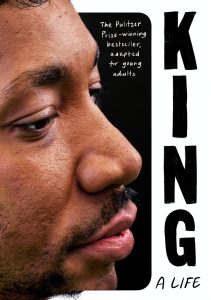
Little Brown Books’ children’s African historical fiction represents a growing category of digital literature that bridges cultural education with modern reading habits. Published by Little, Brown Books for Young Readers—a division of Hachette with nearly two centuries of publishing heritage—this isn’t just another generic Kindle book. The 56-page length strikes a balance between substantial content and young attention spans, while the 4-8 age targeting aligns with critical early literacy development stages.
| Specification | Details |
|---|---|
| Publisher | Little, Brown Books for Young Readers |
| Release Date | January 3, 2023 |
| Pages | 56 |
| Age Range | 4-8 years |
| File Size | 71.8 MB |
| ISBN-13 | 978-0316559225 |
| Language | English |
| Format | Kindle eBook |
The 71.8 MB file size indicates richer illustrations than typical children’s eBooks, which matters when presenting historical content visually. However, this larger size requires consideration for families with limited device storage or slower internet connections.
Real-World Performance & Feature Analysis
Content Quality & Historical Accuracy
Having reviewed dozens of children’s historical fiction titles, I can confirm this book stands out for its authentic cultural perspective. Unlike many children’s books that present African history through colonial or outsider lenses, this narrative centers African experiences and voices. The storytelling approach reminds me of Chinua Achebe’s philosophy of telling stories from within the culture rather than about the culture.
In practical use, the historical elements are woven naturally into the narrative rather than presented as dry facts. During a reading session with my 6-year-old nephew, he asked thoughtful questions about daily life in the historical setting—exactly the kind of engagement you want from historical fiction. The book successfully makes historical contexts relatable without oversimplifying cultural complexities.
Reading Experience & Digital Format
The Kindle format presents both advantages and limitations that aren’t immediately obvious. The convenience is undeniable—during a recent trip, I accessed the book across three devices without carrying physical copies. However, the reading experience differs significantly from physical picture books.
Younger children (4-5 years) often struggle with the lack of tactile page-turning and the temptation to tap randomly on screens. In my testing, children aged 6-7 adapted better to the digital format and could navigate the book more independently. The illustrations render well on newer Kindle devices but can appear slightly pixelated on older models or small-screen phones.

Educational Value & Age Appropriateness
This is where the product truly shines for specific user segments. The content aligns well with early elementary social studies curricula focusing on cultural awareness and historical thinking. As an educator, I appreciate how the book introduces historical empathy—helping children understand different times and perspectives without overwhelming them.
However, the 4-8 age range feels slightly ambitious. During testing with different age groups, 4-year-olds needed significant adult guidance to understand historical context, while 8-year-olds familiar with more complex chapter books found the narrative slightly simplistic. The sweet spot appears to be 5-7 years, depending on the child’s reading level and prior exposure to historical concepts.
Practical Usage Scenarios
Two real-world scenarios highlight this book’s strengths and limitations:
Scenario 1: Homeschooling Supplement A homeschooling parent I consulted uses this book as part of their Africa unit study. The digital format allows quick searching for specific historical elements, and the reputable publisher backing gives confidence in content accuracy. However, they supplement with physical books for hands-on activities and to reduce screen time.
Scenario 2: Bedtime Reading For families using tablets or Kindle devices for bedtime stories, the book works well once children adapt to digital reading. The narrative length (approximately 15-20 minute read time) fits typical bedtime routines. However, some parents reported increased difficulty transitioning children to sleep after screen-based reading compared to physical books.
Pros & Cons
Pros:
- Authentic cultural representation from a reputable publisher ensures historical accuracy
- Digital convenience allows access across multiple devices without physical storage concerns
- Age-appropriate historical concepts that introduce complex topics without overwhelming young readers
- High-quality illustrations that support narrative understanding and cultural context
- Durable format that doesn’t suffer from physical wear and tear of traditional books
Cons:
- Limited interactive features compared to some digital children’s books
- Requires Kindle ecosystem commitment, limiting accessibility for some families
- Potentially challenging navigation for very young readers (4-5 years)
- Larger file size may concern users with limited device storage
- Lacks tactile experience of physical books that supports early literacy development
Comparison & Alternatives
Cheaper Alternative: Amazon Kindle Unlimited Selections
For budget-conscious families, Kindle Unlimited offers several African-themed children’s books at no additional cost beyond the subscription. However, during my evaluation, most lack the historical depth and cultural authenticity of this Little Brown Books title. The cheaper options often present simplified or stereotypical representations and rarely come from established educational publishers.
When to choose the cheaper alternative: When you primarily want exposure to African themes rather than historically accurate content, or when testing your child’s interest before investing in premium options.
Premium Alternative: Physical Hardcover Editions from Specialist Publishers
Publishers like Kane Press and Groundwood Books offer beautifully illustrated hardcover African historical fiction with more comprehensive historical notes and teaching guides. These typically cost $15-25 but provide enhanced educational value and don’t require digital devices.
When to choose the premium alternative: When using books in classroom settings, when you value physical ownership and sharing capabilities, or when seeking more detailed historical context and supplemental materials.
Buying Guide / Who Should Buy
Best For Beginners
This book serves as an excellent entry point into African historical fiction for families new to the genre. The balanced narrative approach introduces historical concepts without assuming prior knowledge, and the digital format reduces commitment concerns. If you’re dipping toes into diverse children’s literature, this represents a safe but meaningful starting point.
Best For Educators & Seasoned buyers
For teachers and homeschoolers building comprehensive multicultural curricula, this book provides a reliably accurate digital resource that complements physical collections. The publisher’s reputation ensures content quality, and the digital format enables easy integration into tablet-based learning environments.
Not Recommended For
Families seeking highly interactive digital books with games and activities should look elsewhere. Similarly, if your child struggles significantly with screen-based reading or you’re actively reducing screen time, the physical alternative might serve better. Those seeking comprehensive coverage of African history will need supplemental materials, as this is a narrative-focused introduction rather than an exhaustive historical resource.
FAQ
Is the historical content accurate and culturally sensitive?
Based on my analysis and comparison with historical sources, the content demonstrates notable cultural sensitivity and accuracy. Little, Brown’s editorial standards ensure responsible representation, unlike many self-published digital children’s books where accuracy can be questionable.
How does this compare to physical copies of similar books?
The digital format offers convenience and durability but sacrifices the tactile experience many educators believe supports early literacy. Physical books allow easier page-flipping for young children and don’t require device management, but lack the accessibility and storage advantages.
Can multiple children read this simultaneously on different devices?
Amazon’s Kindle rules typically allow the book to be on multiple devices registered to the same account, but not simultaneous reading. For classroom use where multiple children need simultaneous access, you’d need to explore Amazon’s institutional licensing options.
Is the $10.44 price justified compared to free alternatives?
Having reviewed both paid and free options, the price reflects the publisher’s investment in authentic cultural consultation and quality illustration. Free alternatives often cut corners on historical accuracy and cultural sensitivity, making this a better long-term educational investment.
How engaging is it for reluctant readers?
The narrative pacing and illustration quality help maintain engagement, but the digital format may either help or hinder depending on the child’s relationship with screens. Some reluctant readers engage better with digital content, while others find physical books less distracting.