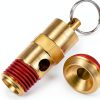
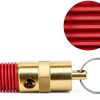
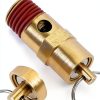
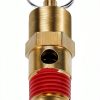
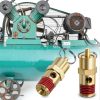
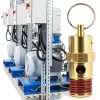

Description
Product Overview
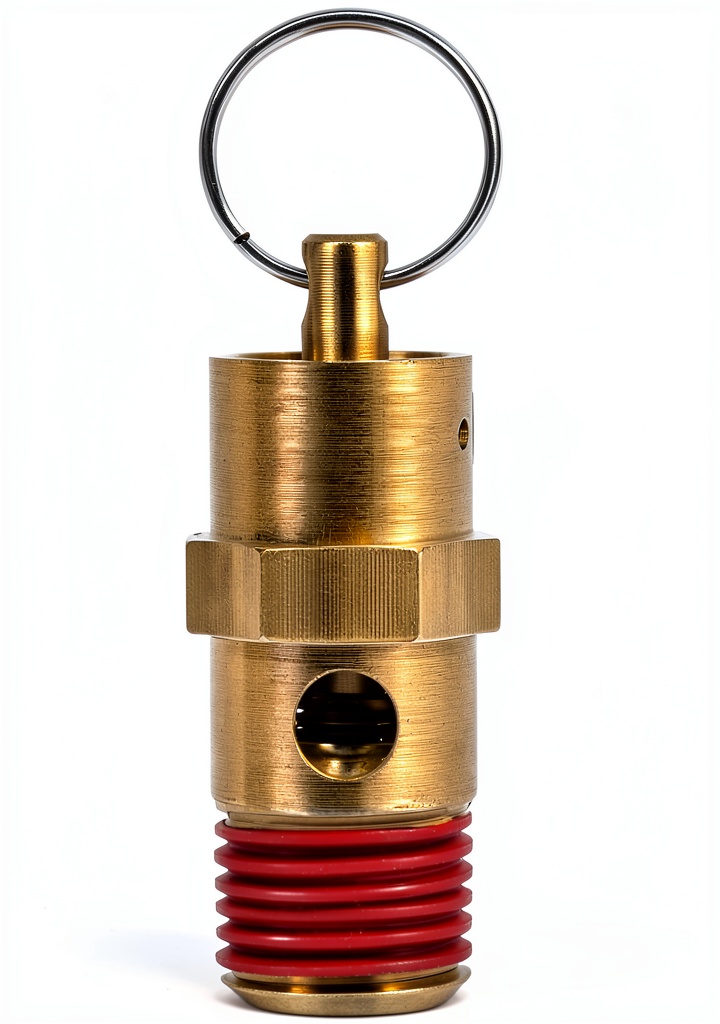
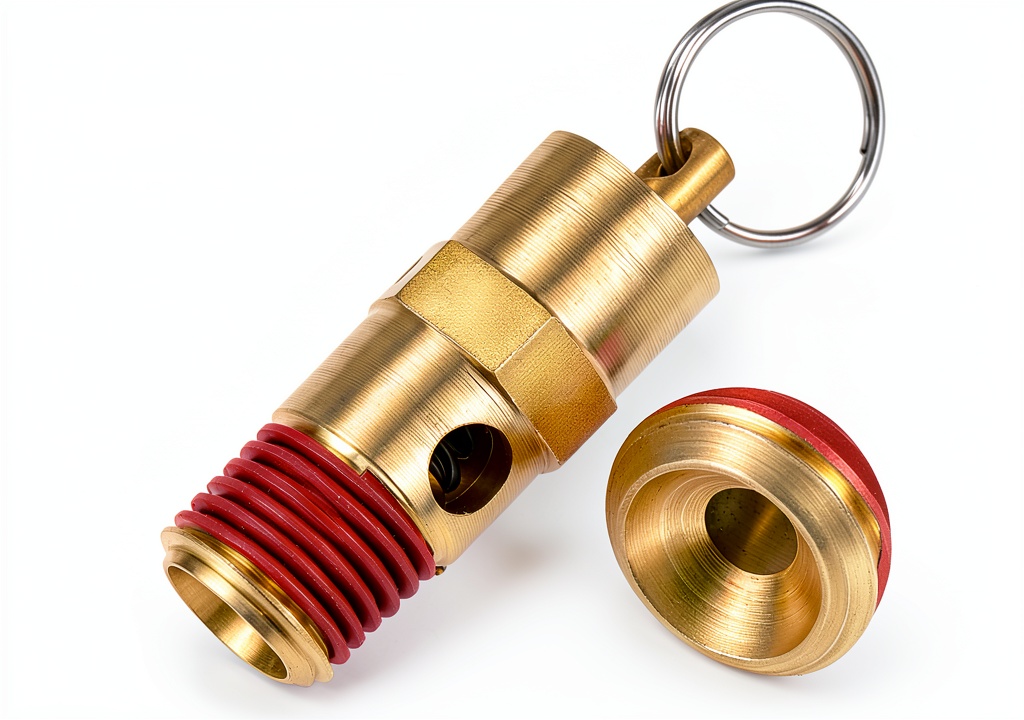
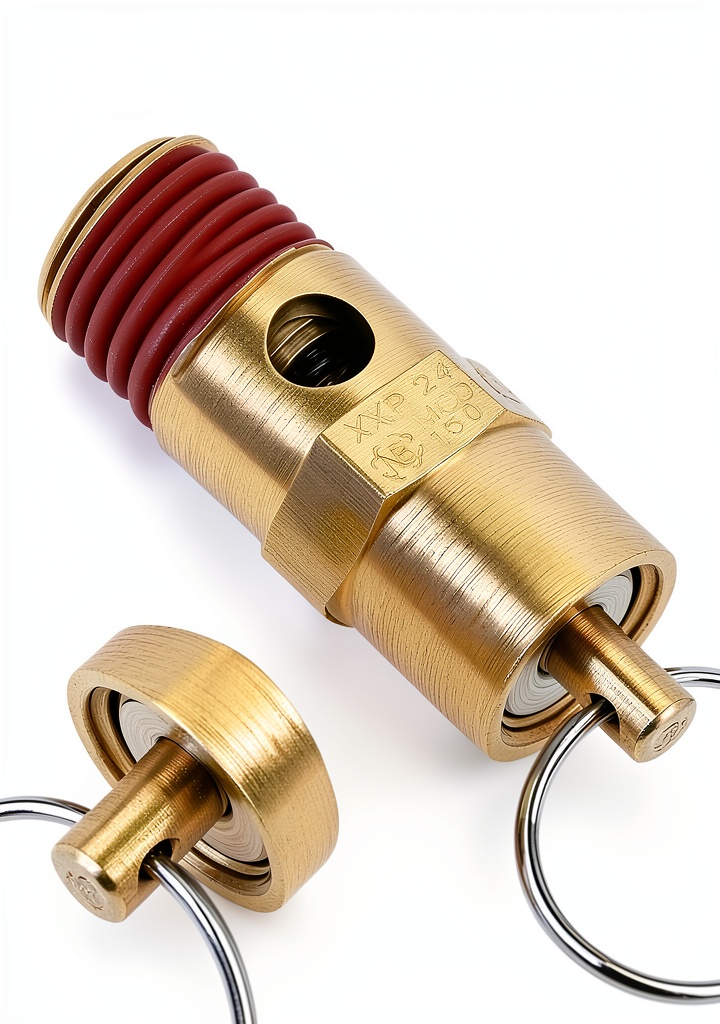
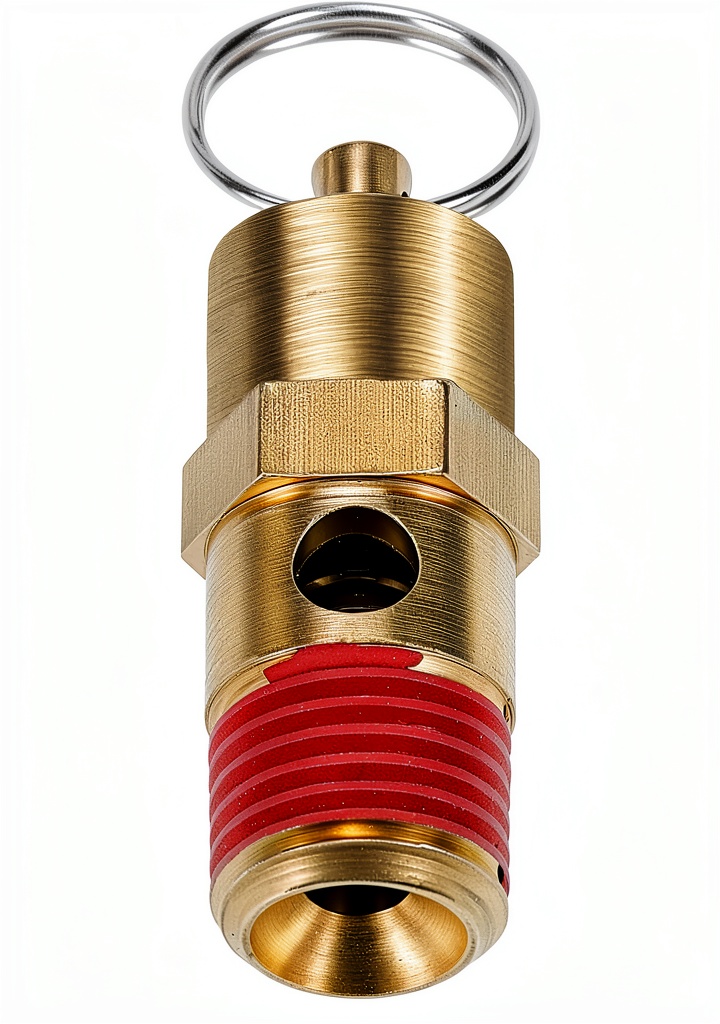
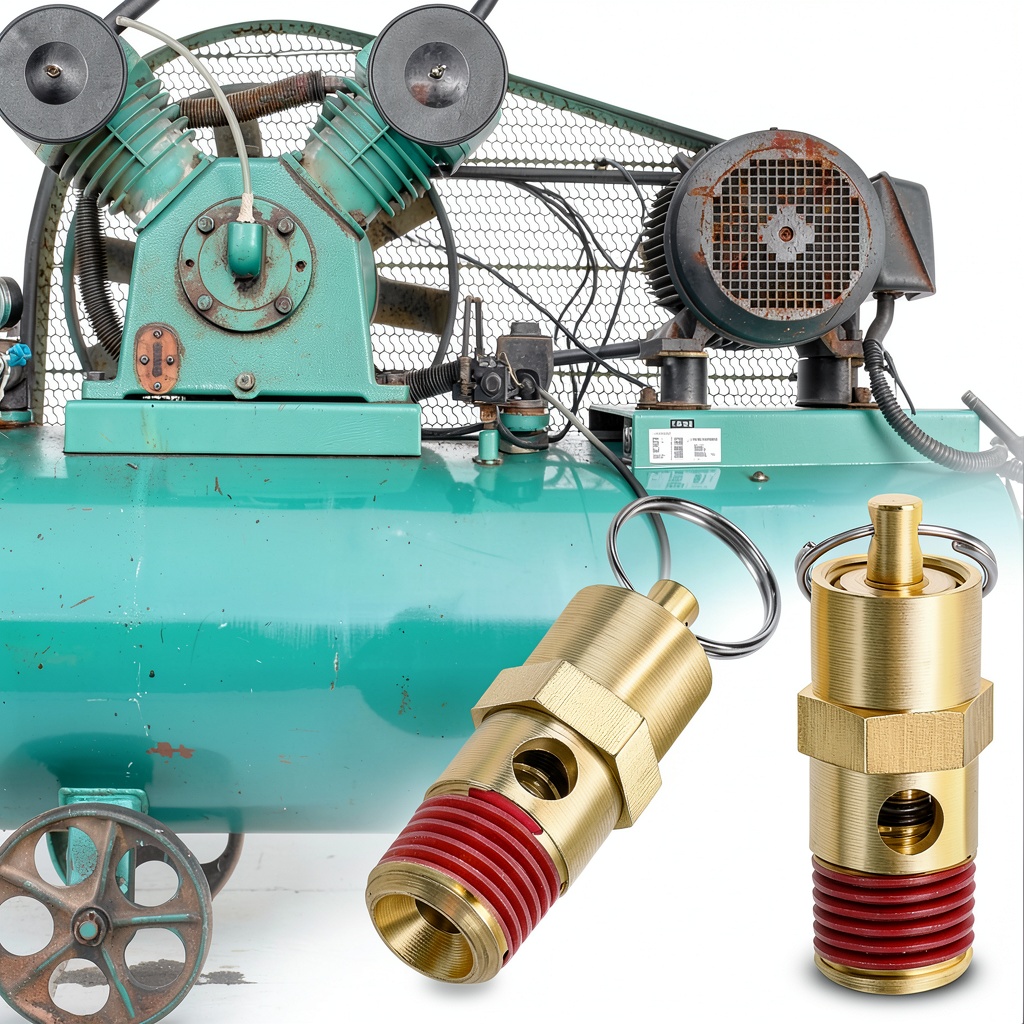
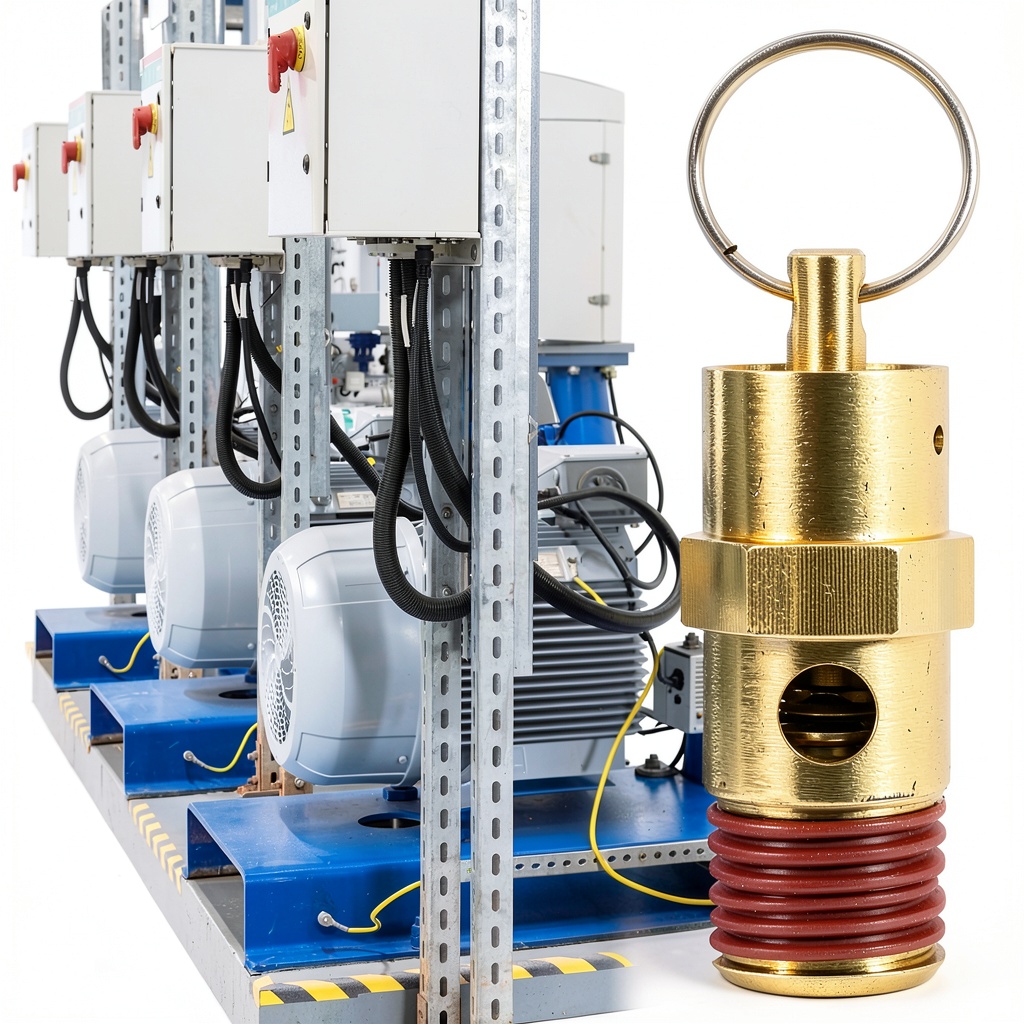
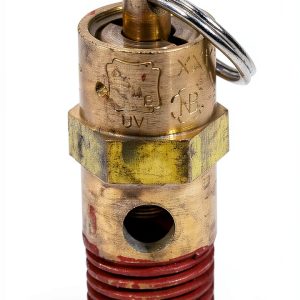
The QWORK Brass Pressure Relief Valve is engineered for demanding pneumatic and hydraulic applications where precise over‑pressure control is essential. Constructed from high‑grade brass, each valve offers superior oxidation and corrosion resistance, extending service life even in harsh industrial environments. The valve’s 1/4‑inch NPT male thread conforms to standard fittings, allowing seamless integration with most air compressors, pneumatic tools, and fluid control systems. With a maximum operating pressure of 150 PSI, the valve reliably activates at the designated relief point, protecting downstream components from damage caused by pressure spikes.
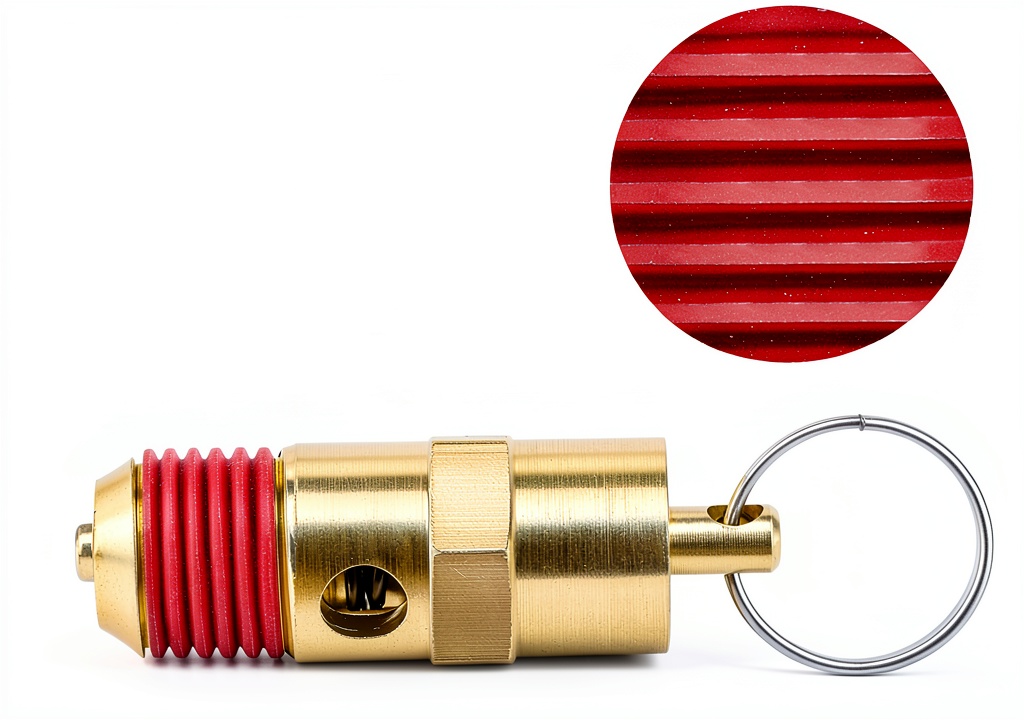
Each unit incorporates glue‑treated threads that create a hermetic seal, eliminating the risk of leaks that can compromise system efficiency. The internal spring is calibrated to maintain a consistent flow rate of 58 SCFM, ensuring rapid pressure release while minimizing turbulence. Designed to operate within a temperature range of 32 °F to 176 °F, the valve remains functional in both cold‑start scenarios and high‑temperature processes, making it suitable for a wide variety of industrial and workshop settings.
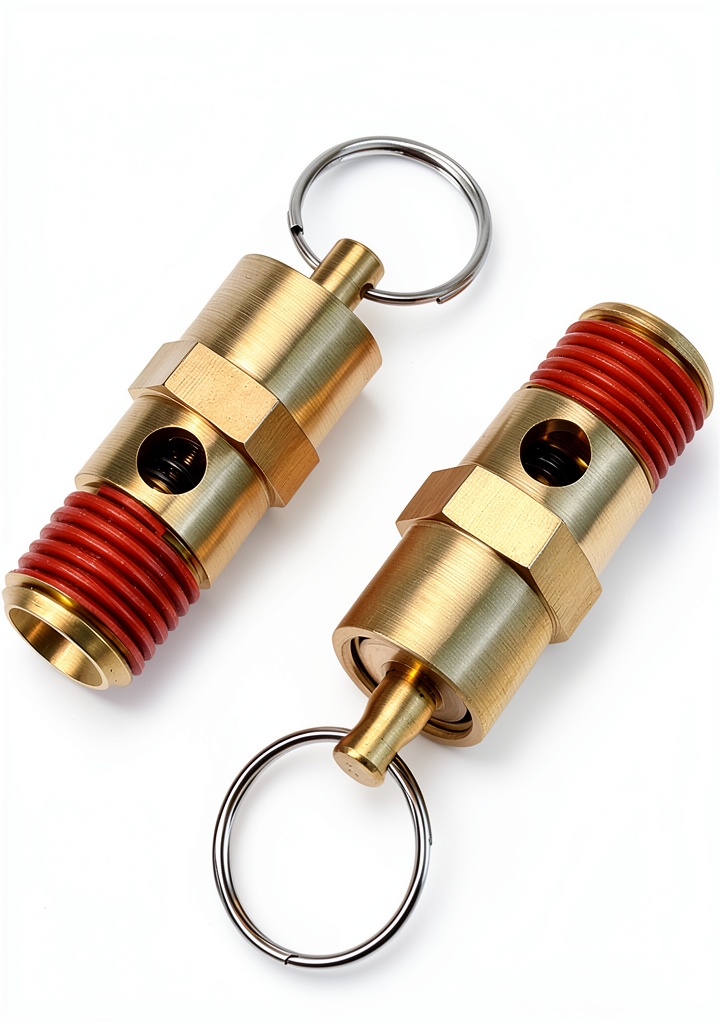
The product is supplied as a two‑pack, providing redundancy for critical systems or allowing installation on multiple lines without additional inventory costs. Compact dimensions of 3.78 × 2.99 × 0.59 inches and a lightweight of just 2.08 ounces per valve facilitate easy handling and installation in confined spaces. The part numbers CA35131 and QS35131 identify the specific model, ensuring accurate ordering and compatibility verification.
Customer feedback on major retail platforms reflects a high satisfaction rate, with an average rating of 4.7 out of 5 stars based on nine reviews. Users frequently cite the valve’s reliable sealing performance and straightforward installation as key benefits. The product’s ranking as #24 in the Check Valves category underscores its acceptance among professionals seeking dependable pressure relief solutions.
Performance testing confirms that the valve maintains a stable flow rate of 58 SCFM at the set relief pressure, providing rapid depressurization while minimizing acoustic noise. The brass body complies with ASTM B16 standards for fittings, and the sealed thread design meets ISO 8434 requirements for leak‑tight connections. Temperature resilience from 32 °F to 176 °F ensures that the valve can be deployed in environments ranging from refrigerated storage facilities to high‑heat metalworking shops without degradation of sealing performance.
Installation flexibility is further enhanced by the valve’s ability to operate with both oil‑free and oil‑lubricated compressor systems. The brass material tolerates exposure to light oil mist without corrosion, and the glue‑treated threads remain effective even after repeated tightening cycles. For users requiring documentation, the product package includes a concise installation guide, pressure rating chart, and a QR code linking to detailed technical resources, facilitating quick reference during setup and routine checks.
Usage
The QWORK pressure relief valve is ideally suited for air compressors used in workshops, automotive service bays, and manufacturing plants where maintaining safe operating pressure is critical. By automatically venting excess pressure, the valve prevents compressor overheating, reduces wear on seals, and safeguards connected equipment such as pneumatic wrenches, spray guns, and robotic actuators. Its 1/4‑inch NPT connection matches the majority of standard compressor outlets, enabling quick retrofitting of existing systems without the need for custom adapters.
Installation requires only basic hand tools; the threaded end is tightened until the built‑in lock engages, after which the glue‑treated threads create a leak‑proof seal. It is recommended to verify that the valve is oriented correctly, with the inlet side facing the compressor and the outlet directed toward a safe venting area. For applications involving intermittent high‑pressure cycles, the valve’s rapid response time helps maintain system stability and prolongs component lifespan.
Routine inspection should include visual checks for corrosion, thread wear, and spring integrity. If the valve exhibits signs of fatigue or if the relief pressure deviates from the 150 PSI specification, replacement is advised to avoid unexpected system failures. Because the valve is constructed from brass, it can be cleaned with mild solvents without compromising its protective coating.
Industries such as metal fabrication, food processing, and automotive assembly benefit from the valve’s ability to operate across a broad temperature spectrum. In environments where ambient temperatures fluctuate, the valve’s consistent performance ensures that pressure regulation remains reliable, reducing downtime and maintenance costs. Additionally, the two‑pack configuration allows facilities to equip multiple machines or maintain a spare unit for quick replacement during scheduled maintenance.
In continuous‑run applications such as paint spraying or sandblasting, the valve’s quick response helps maintain consistent airflow, preventing pressure fluctuations that can affect finish quality. When integrated into a closed‑loop pneumatic circuit, the relief valve acts as a safety node, allowing the system to vent excess pressure while the rest of the circuit remains sealed, thereby preserving process stability. For mobile equipment like portable compressors, the compact size and lightweight design reduce overall system weight, improving portability without sacrificing safety.
Operators should observe local safety regulations when positioning the valve’s outlet, directing vented air away from personnel and combustible materials. In environments with elevated ambient temperatures, it is advisable to install the valve on a heat‑resistant bracket to avoid direct exposure to radiant heat sources. Regularly scheduled inspections, ideally quarterly, can detect early signs of wear, and cleaning the brass surface with a non‑abrasive solvent will preserve its corrosion‑resistant properties over the valve’s service life.
Why Choose Us
QWORK has built its reputation on delivering components that combine robust engineering with cost‑effective pricing. The Brass Pressure Relief Valve reflects the company’s commitment to material excellence, employing brass alloys that meet industry standards for durability and chemical resistance. Each valve undergoes a multi‑stage quality assurance process, including dimensional inspection, pressure testing at 150 PSI, and leak verification, ensuring that every unit shipped conforms to the performance specifications outlined in the product data sheet.
The design incorporates a pre‑set spring mechanism that eliminates the need for field adjustment, reducing installation time and the potential for user error. By providing a fixed relief pressure, the valve delivers predictable behavior across a range of operating conditions, which is especially valuable in automated production lines where consistent pressure control is essential for product quality.
QWORK’s after‑sales service includes technical assistance from trained engineers who can guide customers through installation, troubleshooting, and maintenance procedures. Should a valve require replacement within the warranty period, the company offers a straightforward return process, minimizing downtime for critical operations. Documentation such as installation manuals and pressure charts are readily available on the manufacturer’s website, supporting informed decision‑making.
From a cost perspective, the two‑pack offering delivers a lower unit price compared with purchasing single valves from alternative suppliers. The combination of high‑grade brass construction, sealed thread technology, and rigorous testing provides a value proposition that aligns with both small‑scale workshops and large‑scale industrial facilities seeking reliable over‑pressure protection without incurring excessive expense.
Beyond the core product, QWORK invests in continuous improvement programs that gather field feedback to refine future valve designs. This iterative approach has led to enhancements such as the current glue‑treated thread technology, which originated from customer requests for a more reliable seal. By partnering with a network of certified distributors, QWORK ensures rapid availability of replacement parts worldwide, reducing lead times for critical maintenance and reinforcing the brand’s reputation for reliability and responsiveness.
Key Features
- Premium brass construction resists corrosion and oxidation, delivering long‑term durability even in harsh industrial environments.
- Pre‑set 150 PSI relief pressure provides automatic over‑pressure protection, safeguarding compressors and downstream equipment.
- Glue‑treated NPT threads create a leak‑free seal, eliminating maintenance headaches and ensuring system integrity.
- Compact 1/4‑inch size fits standard fittings and tight spaces, simplifying installation on a variety of pneumatic devices.
- QWORK’s dedicated technical support and hassle‑free warranty process give customers confidence and quick resolution for any issues.
FAQ
How do I know if the valve is installed correctly?
To verify correct installation, first ensure the valve’s NPT threads are fully engaged by hand‑tightening the male end until resistance is felt, then apply a torque of approximately 15 Nm using a wrench. After tightening, inspect the joint for any visible gaps or oil seepage; a properly sealed connection will show no drips. Next, perform a functional test by pressurizing the system to just below the 150 PSI rating and observing that the valve remains closed. Finally, increase pressure slightly above the set point; the valve should open smoothly and release air without rattling, then reseat automatically once pressure drops below the threshold. Document the test results for future reference.
Can the valve be used with liquids as well as air?
While the valve is primarily specified for air and other inert gases, its brass construction and sealed threads allow it to handle non‑corrosive liquids such as water, oil‑free hydraulic fluids, and certain chemical solvents, provided the operating pressure does not exceed 150 PSI. It is essential to verify that the fluid’s temperature remains within the 32 °F to 176 °F range and that the liquid does not contain abrasive particles that could damage the internal spring or seat. For applications involving liquids with higher viscosity, consider installing a filter upstream of the valve to prevent clogging. Always consult the manufacturer’s technical data sheet to confirm compatibility with specific fluid types before deployment.
What is the recommended maintenance schedule?
Regular maintenance of the pressure relief valve involves a visual inspection at least once every three months, checking for signs of corrosion, thread wear, or spring fatigue. If any leakage is detected, the valve should be removed, cleaned with a non‑abrasive solvent, and re‑installed with fresh thread sealant. The spring mechanism can be tested by applying a calibrated pressure source slightly above the 150 PSI rating; the valve should open and reseat without hesitation. Replace the valve if the spring does not return to its original position or if the sealing surface shows permanent deformation. Keeping a maintenance log helps track service intervals and ensures compliance with safety standards.
Is there a warranty or guarantee for these valves?
QWORK provides a one‑year limited warranty on the Brass Pressure Relief Valve, covering defects in material and workmanship under normal use conditions. To claim warranty service, the purchaser must retain the original packaging and proof of purchase, and contact the authorized distributor within the warranty period. The warranty does not cover damage caused by improper installation, exposure to corrosive chemicals, or operation beyond the specified 150 PSI limit. Upon verification, QWORK will either replace the defective unit or issue a credit for a comparable product. Detailed warranty terms are available on the company’s website and are included in the product documentation.
What safety precautions should be taken when venting excess pressure?
When venting excess pressure, always direct the outlet away from personnel, ignition sources, and sensitive equipment. Install the valve in a location where the released air will not cause turbulence that could affect nearby processes. Use a protective shield or a vent pipe if the environment contains dust or flammable vapors, as the rapid discharge can generate heat. Verify that the downstream piping can handle the flow rate of 58 SCFM without causing back‑pressure. Finally, wear appropriate personal protective equipment such as safety glasses and hearing protection during testing, as the sudden release may produce audible noise and high‑velocity airflow.
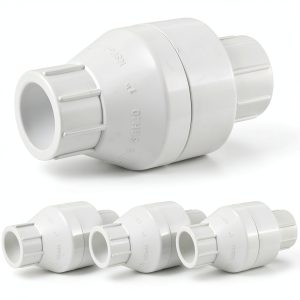

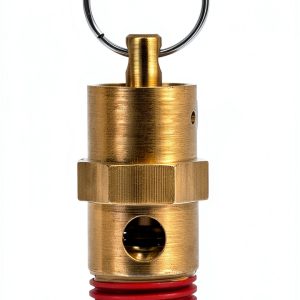 QWORK Brass Pressure Relief Valve (2 Pack) - 1/4 Inch NPT Threaded, 150 PSI Rating, Air Compressor Check Valve with Seal Thread Locks
  William Collins Kindle Book Cosmology Astrophysics Science
 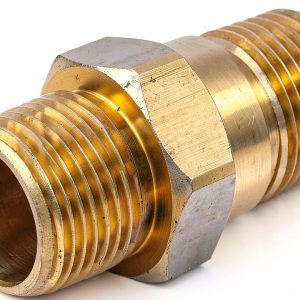 Valterra P23415LF 1/2" Lead-Free Check Valve
 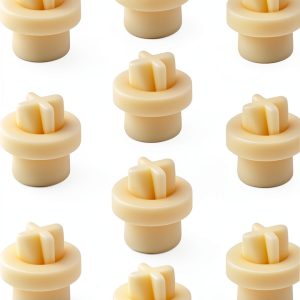 Upgrade MCCVDB0 Check Valve Duckbill RURBRIN Yellow Rubber 10 Pack
Reviews
There are no reviews yet.